



Yu-Xiu, LI 李毓秀
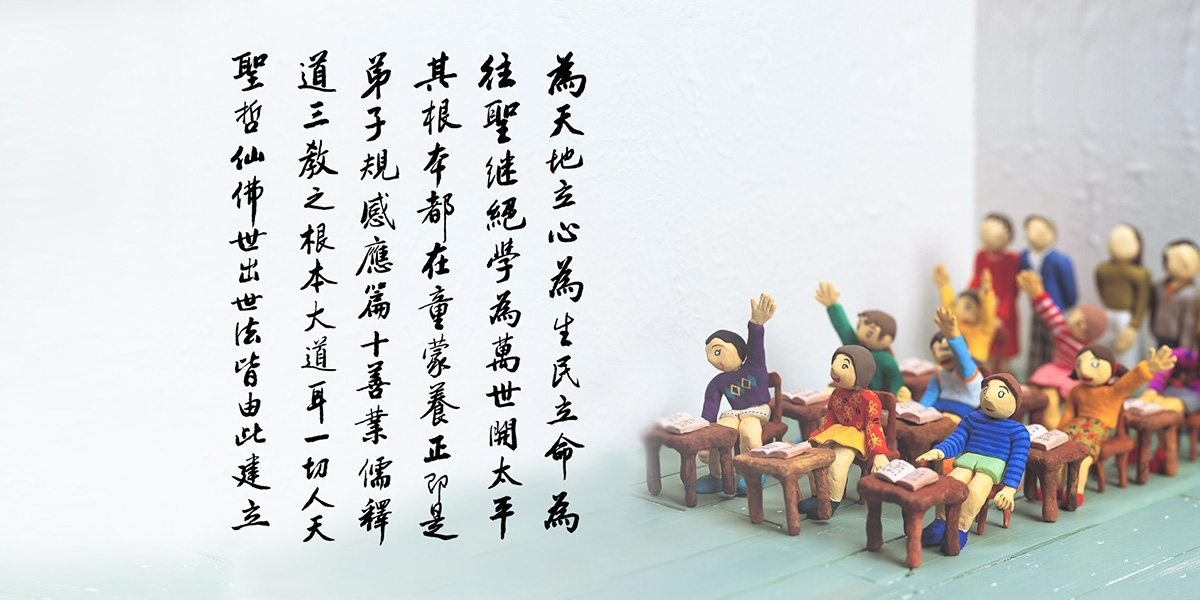
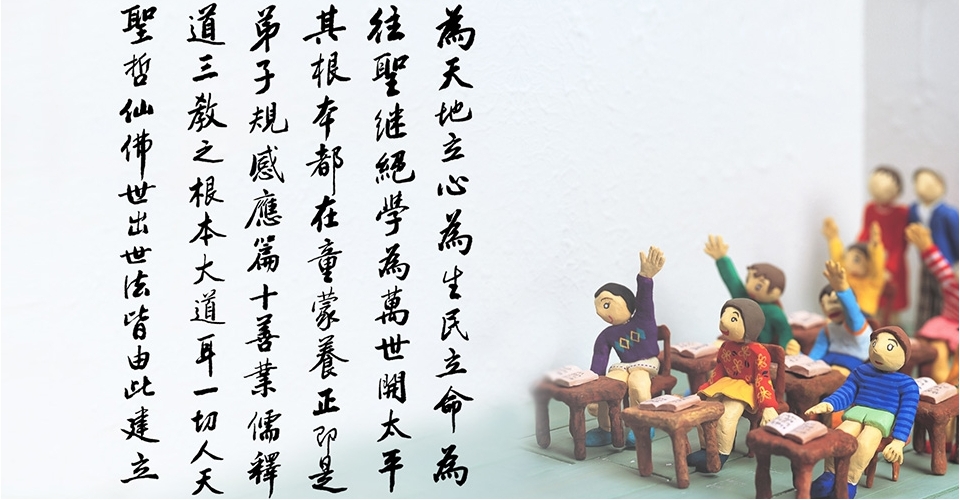
Di Zi Gui ( Ti Tzu Kui) or Standards for Being a Good Student and Child is a book that was taught by Chinese saints and sages of the ancient past. The book first teaches us how to be dutiful to our parents, and how to be respectful and loving to our siblings. It then teaches us how to be cautious with all people, matters, and objects in our daily lives; how to be a trustworthy person; and to believe in the teachings of the ancient saints and sages.
Further more, it teaches us to love all equally, and to be close to and learn from people of virtue and compassion. Only when we have accomplished all the above can we then study further and learn literature and art to improve the quality of our cultural and spiritual lives.
Di Zi Gui ( Ti Tzu Kui) or Standards for Being a Good Student and Child is a book that was taught by Chinese saints and sages of the ancient past. The book first teaches us how to be dutiful to our parents, and how to be respectful and loving to our siblings. It then teaches us how to be cautious with all people, matters, and objects in our daily lives; how to be a trustworthy person; and to believe in the teachings of the ancient saints and sages. Further more, it teaches us to love all equally, and to be close to and learn from people of virtue and compassion. Only when we have accomplished all the above can we then study further and learn literature and art to improve the quality of our cultural and spiritual lives.

Read More
《禮記》
What the Great Learning teaches, is to illustrate illustrious virtue; to renovate the people; and to rest in the highest excellence. The point where to rest being known, the object of pursuit is then determined; and, that being determined, a calm unperturbedness may be attained to. To that calmness there will succeed a tranquil repose. In that repose there may be careful deliberation, and that deliberation will be followed by the attainment of the desired end...
What the Great Learning teaches, is to illustrate illustrious virtue; to renovate the people; and to rest in the highest excellence. The point where to rest being known, the object of pursuit is then determined; and, that being determined, a calm unperturbedness may be attained to. To that calmness there will succeed a tranquil repose. In that repose there may be careful deliberation, and that deliberation will be followed by the attainment of the desired end...
Read More



老子
The Tao that can be spoken of is not the eternal Tao.
The name that can be named is not the eternal name.
The nameless is the beginning of heaven and earth.
The name is the mother of the ten thousand things.
Send your desires away and you will see the mystery...
The Tao that can be spoken of is not the eternal Tao. The name that can be named is not the eternal name. The nameless is the beginning of heaven and earth. The name is the mother of the ten thousand things. Send your desires away and you will see the mystery...
Read More

When Bodhisattva Avalokiteshvara was practicing the profound Prajna Paramita,he illuminated the Five Skandhas and saw that they are all empty,and he crossed beyond all suffering and difficulty.
Shariputra,form does not differ from emptiness;emptiness does not differ from form.Form itself is emptiness;emptiness itself is form.So too are feeling,cognition,formation,and consciousness.
When Bodhisattva Avalokiteshvara was practicing the profound Prajna Paramita,he illuminated the Five Skandhas and saw that they are all empty,and he crossed beyond all suffering and difficulty. Shariputra,form does not differ from emptiness;emptiness does not differ from form.Form itself is emptiness;emptiness itself is form.So too are feeling,cognition,formation,and consciousness.
Read More